We have (Software) Replicators

In Star Trek: The Next Generation, replicators are a quiet but transformative force. You state your request, and it materialises on a glowing pad.
That simple interface rewrites the rules of society. Scarcity fades. Food, clothing, spare parts, even Captain Picard’s iconic “Tea. Earl Grey. Hot.”, arrive on demand. When material constraints disappear, the meaning of production changes. Creation is no longer limited by access to tools or resources, but by imagination.
I think tools like Claude, OpenAI Codex, and Google Gemini function as replicators for software.
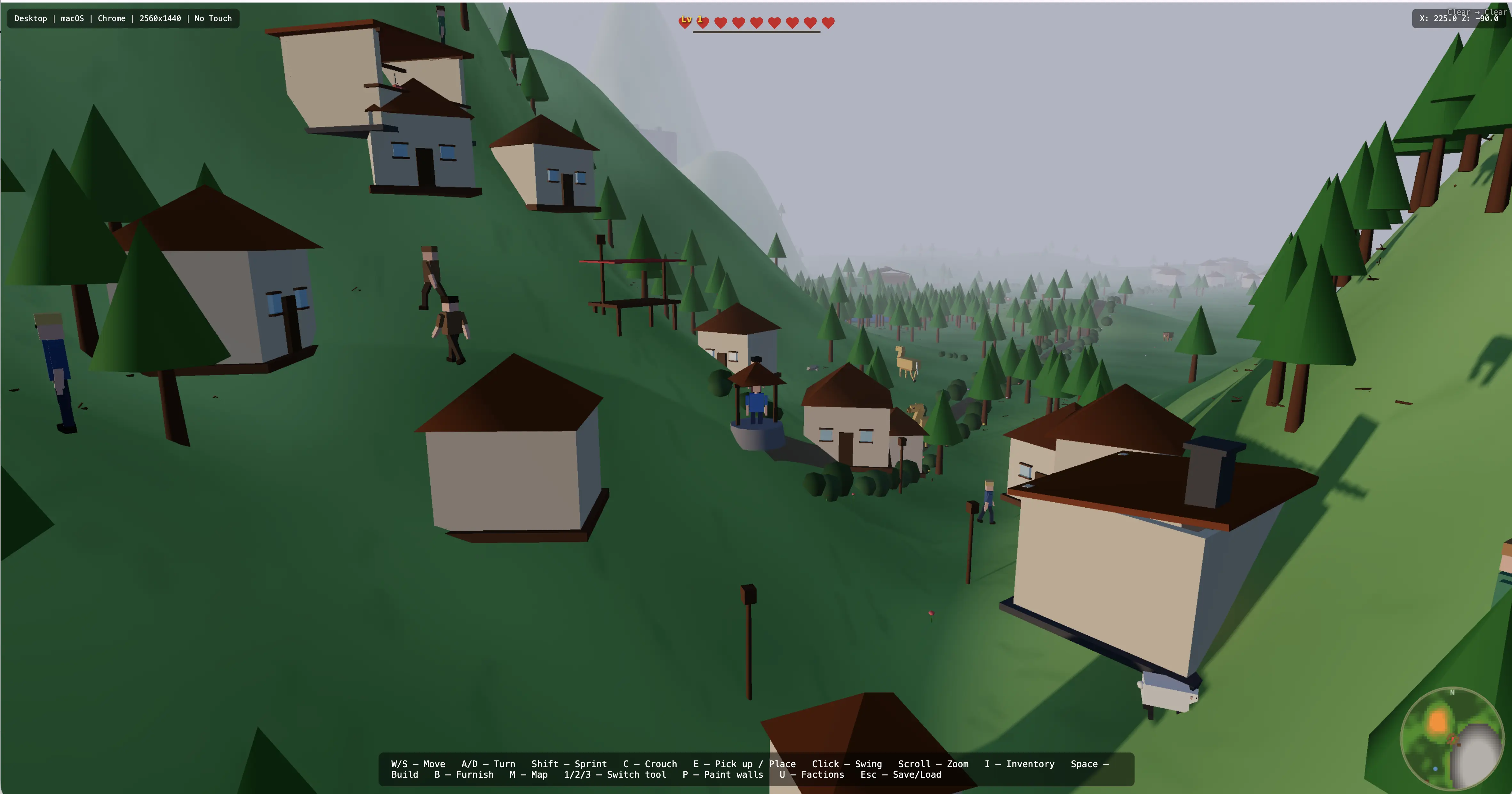
My 13yo son built an immersive 3D game (Realms Eternal), simply by describing what he wanted. He created something that family members with comp-sci degrees couldn’t. Yes, it’s a sprawling 25,000+ line HTML file with embedded JavaScript and styles. He doesn’t care. It works. It exists. He made it.
Replicators didn’t just make things faster, they expanded who gets to create.
There’s a telling parallel in Star Trek: the “real food” snobbery. Even though replicators rearrange molecules to perfectly match a scanned apple or steak, some characters insist it doesn’t taste as good; that it lacks “soul.” The preference is cultural as much as culinary.
We’re seeing a similar dynamic with LLM-generated code. Some open-source communities ban it outright, or treat it with suspicion. Part of that resistance may be about quality. But part of it feels like culture; an attachment to traditional craftsmanship over molecular assembly.
I’ll admit it plainly: Claude, Codex, and Gemini outperform my 20+ years of development experience in many contexts.
In Star Trek, the debate wasn’t whether replicators would be used. They were. The real question was how society would adapt around them.
We’re at that same inflection point with software.